If your heel hurts when you get out of bed in the morning, or after you have been sitting for a while, you are probably dealing with plantar fasciitis. If you are reading this, chances are you have already tried a few things: stretching, new shoes, maybe just resting it. But the pain keeps coming back. That is the frustrating part. Plantar fasciitis does not always go away on its own.
What causes plantar fasciitis?
Plantar fasciitis is inflammation of the plantar fascia, the thick band of tissue running along the bottom of the foot from heel to toes. Pain is usually sharpest with the first steps in the morning or after rest, eases slightly with movement, and returns with prolonged standing or walking. The cause is almost always cumulative strain rather than a single injury.
In many cases the real driver is not just tightness. It is too much load on the foot over time, weakness in the foot or lower leg, poor walking and standing mechanics, or a sudden change in activity. Occasionally a heel spur is also involved, which can change the treatment plan. The 2014 American Academy of Orthopaedic Surgeons clinical practice guideline lists obesity, prolonged standing, and high body mass index as the strongest modifiable risk factors.
What actually helps plantar fasciitis?
The good news is plantar fasciitis is very treatable when the plan addresses the load on the heel, not just the symptom. A combination usually works better than any single treatment:
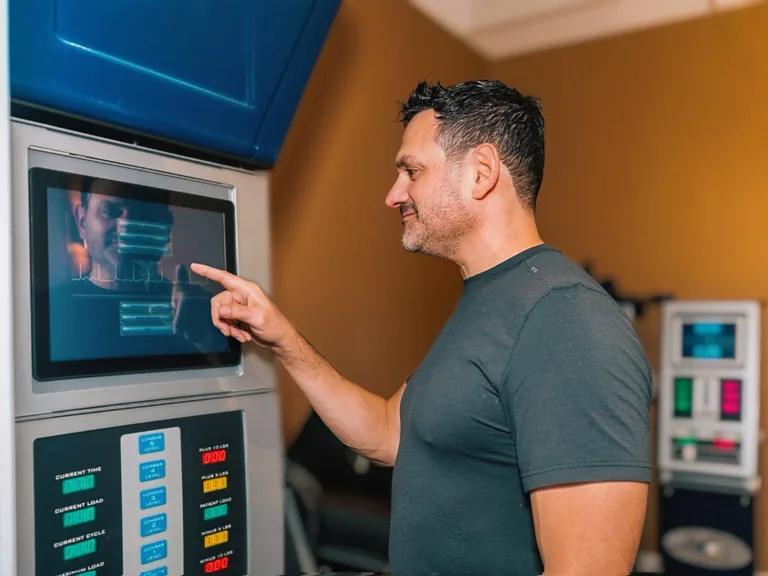
- Shockwave therapy for stubborn cases where pain has been around for several months; multiple randomised trials and Cochrane analyses show meaningful pain reduction in chronic plantar fasciitis
- Custom orthotics with a heel well to offload the area, particularly when a bone spur is contributing
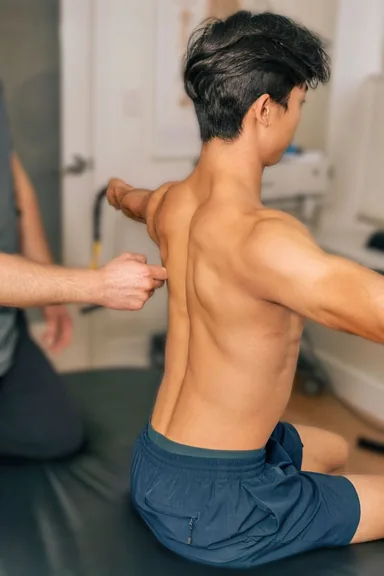
- Physiotherapy to strengthen the foot and calves and to retrain how you load the heel
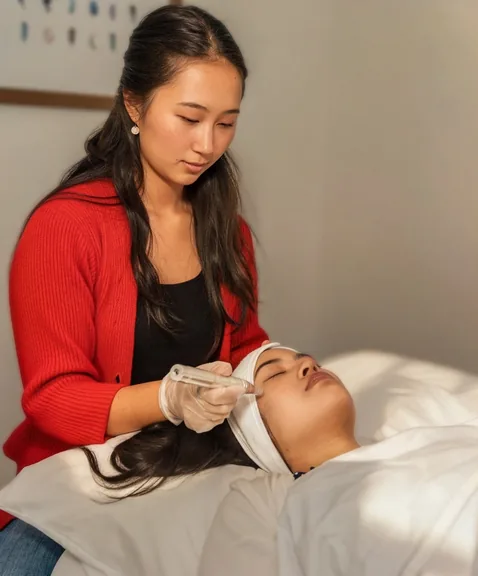
- IMS (intramuscular stimulation) to release tight tissue in the calf and foot that pulls on the fascia
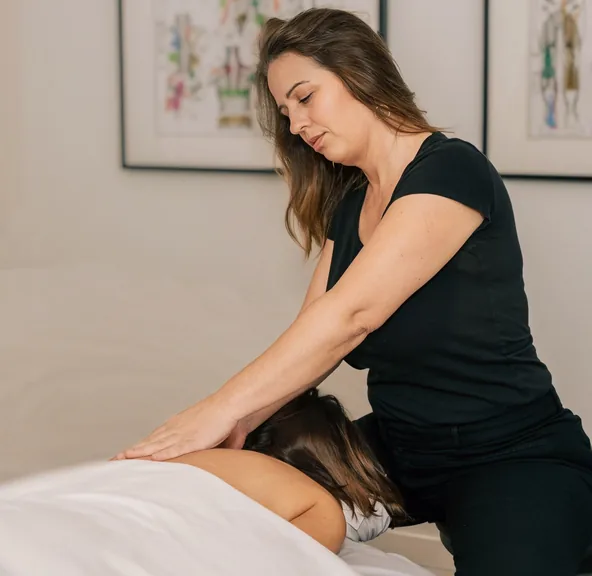
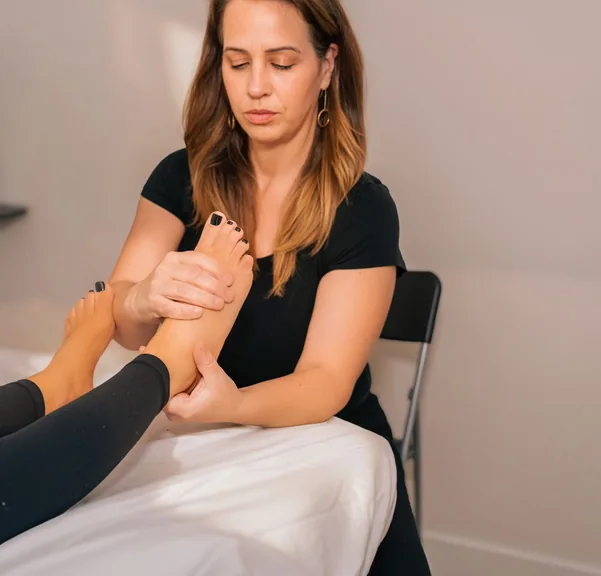
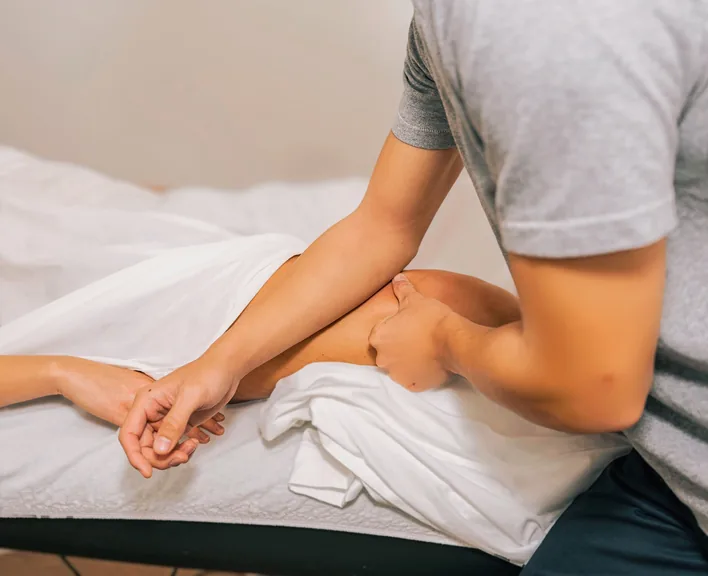
- Massage therapy to ease the calves and reduce the pull on the heel
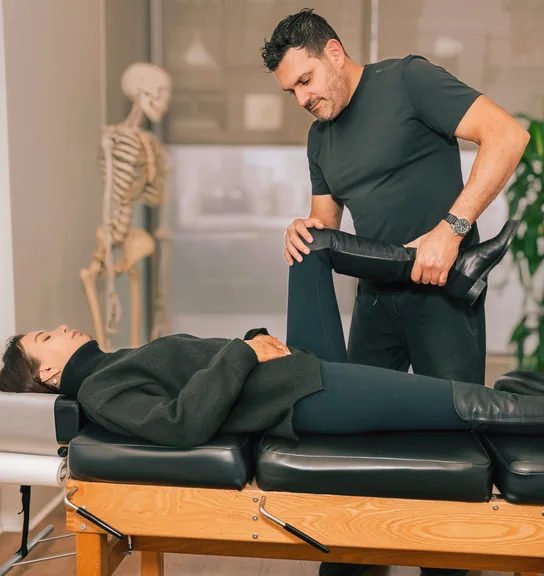
- Chiropractic care to address foot and ankle alignment, which affects pressure distribution through the heel
- Acupuncture to reduce pain and improve local circulation
Most patients benefit from a mix rather than one treatment in isolation. A graded return to walking distance, hills, and any running you do is usually the missing piece.
How long until plantar fasciitis feels better?
This is not usually a quick fix, but it is very treatable. With the right combination of care, most patients notice a reduction in morning pain within two to four weeks and steady improvement over six to twelve weeks. Stubborn cases that have been there longer than six months tend to need shockwave plus loading work, and may take three to four months to fully settle.
The key is being consistent and addressing the cause, not just the symptom. Skipping the exercise side of the plan is the most common reason heel pain comes back.
When should you see a professional for heel pain?
If your heel pain has been around for more than two to three weeks, keeps coming back, or stops you walking comfortably, get it assessed. The sooner the cause is identified, the easier it is to treat, and the less likely you are to compensate with the other foot, knee, or hip. Sudden, severe heel pain after a clear injury, or pain with swelling and redness, needs urgent assessment to rule out a fracture or other diagnosis.
Where to start in Vancouver
We can help you work out exactly what is driving your heel pain and put together a plan that fits your foot and your lifestyle. Life Integrative is on Dunbar Street in Vancouver, serving Kerrisdale, Point Grey, Kitsilano, and the rest of the West Side. We have shockwave therapy on site, a multidisciplinary team under one roof, and assess for bone spurs and fit custom orthotics if you need them. Care is led by Dr Daniel Zybutz, DC, the clinic director, with over twenty years of clinical experience.
Book online or call us on (604) 742-0702.
Related reading
- Golfer’s Elbow: Treatment Options Beyond Rest and Ice — another tendinopathy responsive to shockwave
- Hip Pain: When to See a Chiropractor (and When to Wait) — heel changes can drive hip and back compensation
Sources
- American Academy of Orthopaedic Surgeons, Clinical Practice Guideline: The Adult Acquired Flatfoot and related foot and ankle guidelines.
- Cochrane Library, Extracorporeal shock wave therapy (ESWT) for plantar heel pain reviews.
- HealthLink BC, plantar fasciitis topic, healthlinkbc.ca.
Transcript
When you wake up in the morning and you take your first few steps, do your feet hurt? You might have plantar fasciitis. We have ways of testing it in the office, and sometimes we will require an X-ray to see if there is a bone spur contributing. If that is the case, you will need a specialised insert called a custom orthotic with a heel well to decompress that spur. As far as treatment options go, IMS works well, as does shockwave therapy, and we have both here to help you.